Glass. Reconsidered.

Your glass.
Your light.
Your control.

Change the character of the cabin with electronically controlled glazing. Explore adjustable shading, switchable privacy films and the systems that bring them together.

Start with the vehicle. Build around the glass.
V / OPTICAL FIELDMANUAL CONTROL
Premium vehicle with a panoramic glass roof reflecting contemporary architecture ONE SURFACE. DIFFERENT LIGHT.
48 / 100

Relative visual preview. The scale is not a measured light-transmission value.

01

Select the effect

Transparent shading or light-diffusing privacy.

02

Match the surface

Roof, fixed rear glass or a planned laminate.

03

Verify the vehicle

Dimensions, electronics and local requirements.

04

Complete the system

The right glass, driver and installation route.

The system collection

Choose the way
light enters.

View all six systems

SC / R01 · Laminated SPD

ShadeCore Roof

One glass assembly. A coordinated installation. See how the optical layer, control and connection details work together before you specify your roof.
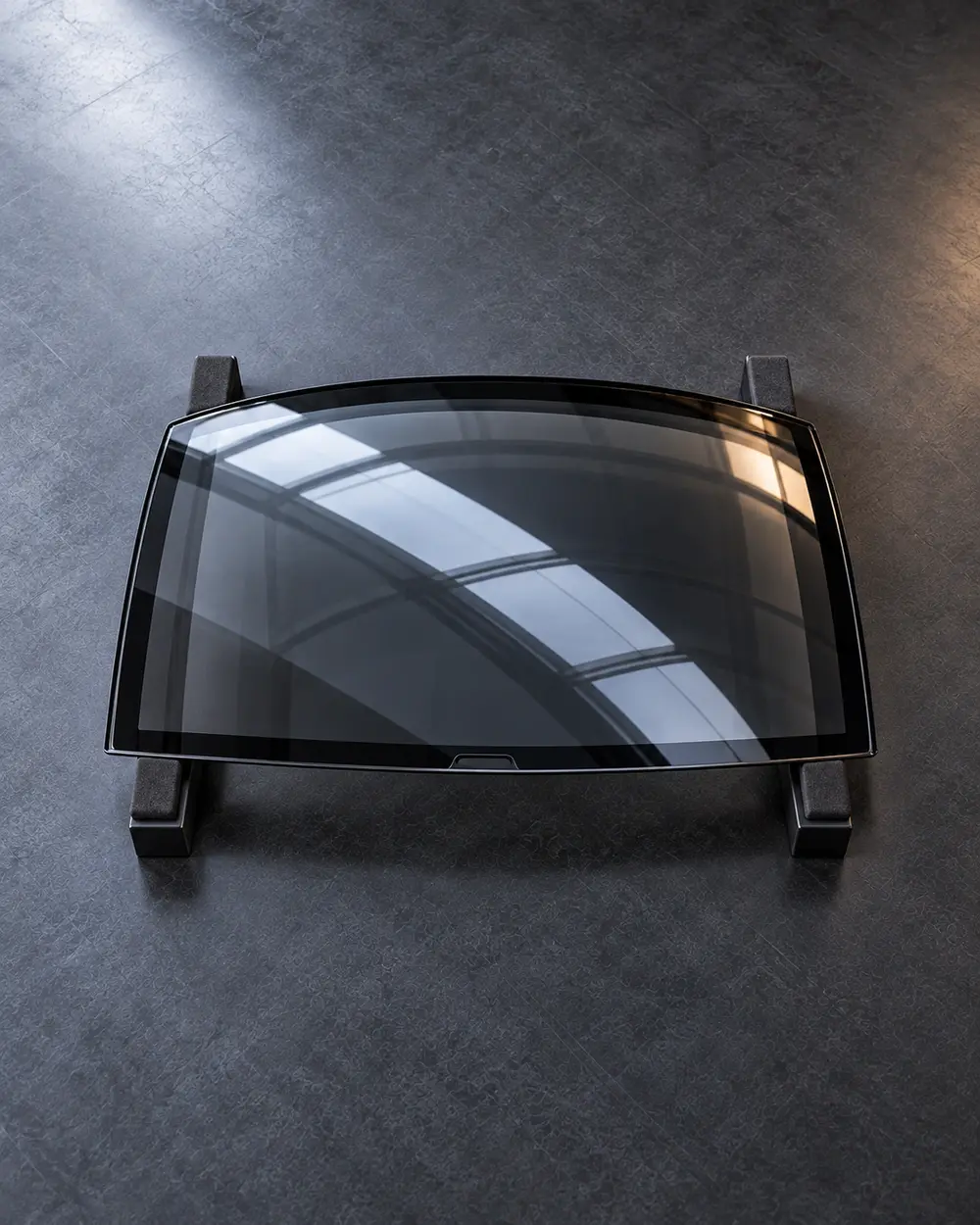
Overhead view of a curved roof glass assembly on a precision inspection fixture
01
Active laminate

Adjustable shading within a specified glass assembly.

02
Connection planning

Confirm edge protection and cable exit with the final drawing.

GLASS / ACTIVE LAYER / INTEGRATION
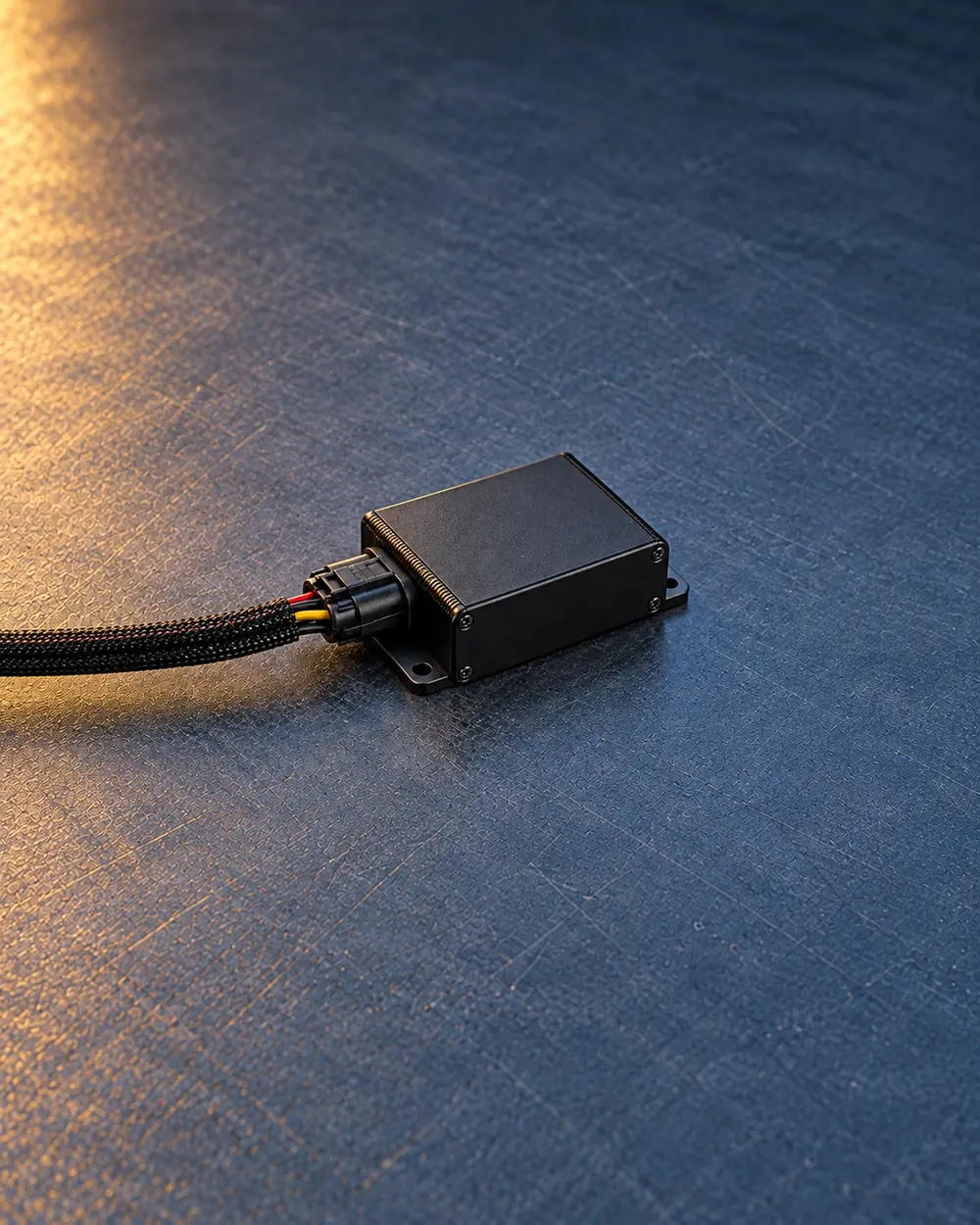
Matched SPD driver with protected connectors on an electrical planning bench
03 / Control

A matched SPD driver

ControlBridge is selected for the panel load. The controller is a separate product.

View the control kit
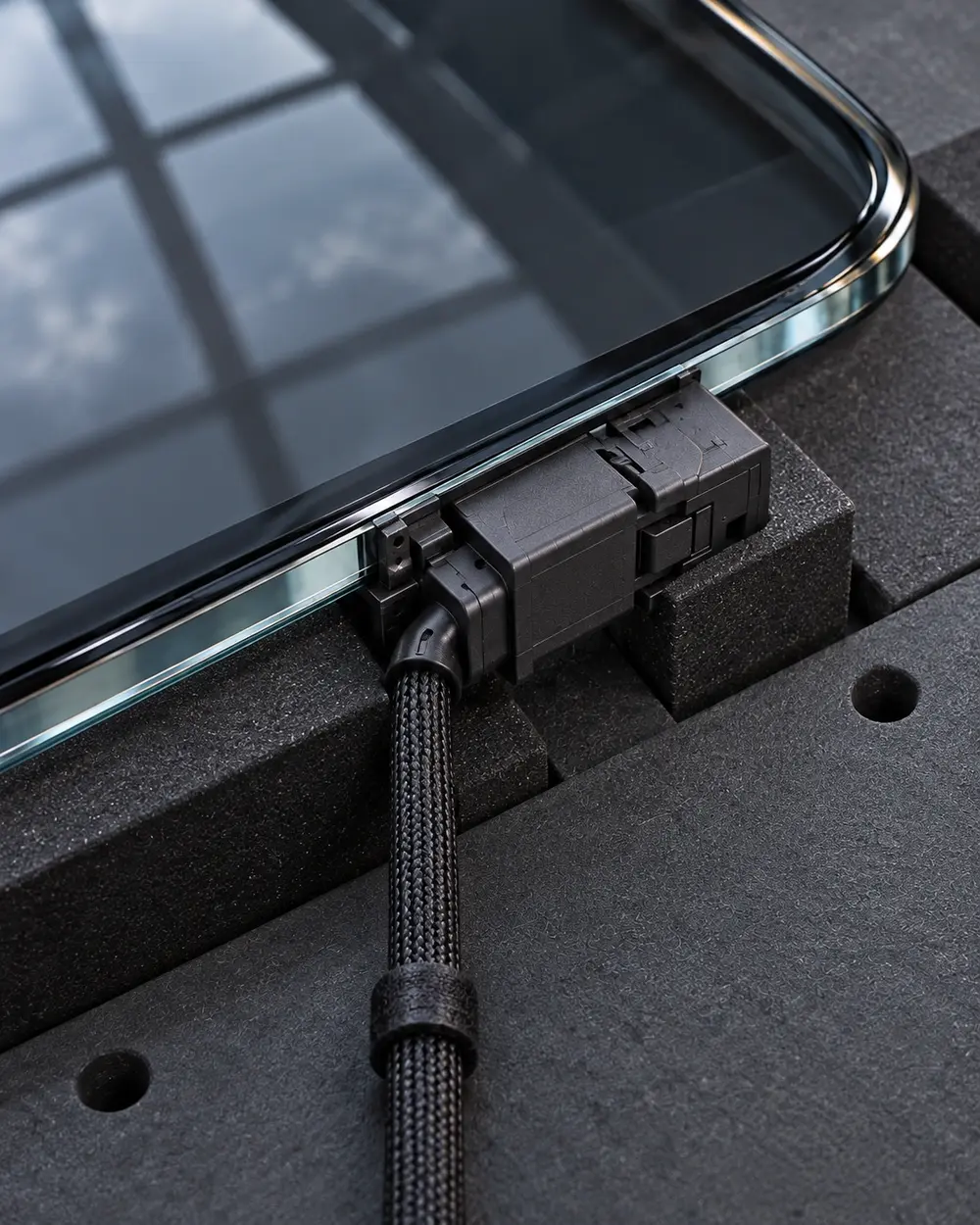
Top view of a protected electrical termination at a laminated glass edge
04 / Integration

A protected connection

Routing, clearance and sealing are part of the installation plan.

Review installation
The purpose
Variable overhead shade while retaining a view through the active material.
The supplied item
ShadeCore roof glazing assembly. Controller, bonding and installation are separate.
Before fabrication
Review roof geometry, mounting, vehicle equipment and the matched control system.
ShadeCore Roof / Glazing assembly
CA$3,846.00Canadian dollars · Installation separate

Vehicle-specific specification review before the final order is confirmed.

Light, on your terms

More say in the way
your cabin feels.

Manage overhead light, choose an appropriate rear privacy state and bring the controls together. A clearer choice starts with knowing what each material can do.

2Optical effects

Shade or privacy.

Choose transparent SPD shading to adjust the light, or PDLC diffusion for a suitable private rear space. Pick the experience that belongs in that part of the vehicle.

6Systems to explore

A choice with context.

Compare complete glazing, active-film materials, matched controls and evaluation samples. See what is supplied and which installation route each selection requires.

3Product families

One coordinated plan.

Bring the glass, film and control decisions into the same conversation. Review the material, the vehicle and the electrical connections before an installation is approved.

Material-specific behaviour. Vehicle-specific fitment.

Understand the effects

Different materials. Different experiences.

A darker view.
A more private surface.

These are two different optical effects. Choose by what you want passengers to see through the glass.

SPD01 / Transparent shade
Daylight entering a vehicle cabin through panoramic roof glazing
A darker transmitted view

Keep the view.
Change the shade.

SPD varies light transmission through its active layer. The view becomes darker or lighter rather than deliberately frosted.

What you see
An outside view with the colour, reflections and residual tint of the specified laminate.
Consider it for
Adjustable overhead light in a vehicle-specific roof assembly.
Check first
Actual optical range, unpowered state, panel construction and matched SPD driver.
Explore SPD glazing
PDLC02 / Light diffusion
Switchable privacy film with a frosted finish beside a rear passenger window
A diffused private view

Diffuse the view.
Change the privacy.

PDLC changes how light is scattered. Its private state appears diffused or frosted, rather than like a darker transparent tint.

What you see
A light-diffusing surface in the private state, with residual haze possible in the clearer state.
Consider it for
An appropriate fixed rear compartment while the vehicle is parked.
Check first
Required driving visibility, local rules, viewing angle and the supplied PDLC driver.
Explore PDLC privacy

Visual treatments illustrate the type of effect, not measured transmission or a guaranteed installed appearance.

Compare the technology
Installer inspecting the edge clearance of automotive glazing at a specialist workbench
VEHICLE / GLASS / CONTROL
Before fabrication

Check the edge.
Plan the connection.

Dimensions, mounting and protected cable exits belong in the same installation drawing.

Before the first connection

The vehicle sets
the specification.

A glass assembly has to work with the vehicle around it. Resolve these four details with your installer before selecting the final configuration.

Surface geometry
Confirm the aperture, curvature and mounting details. A model name alone does not establish the panel shape.
Glass movement
Identify fixed or moving glazing. Check seals, travel clearance and any cable movement through the full operating range.
Electrical route
Match the driver to the material and panel load. Plan protected terminations and a suitable route to the vehicle supply.
Factory equipment
Record antennas, sensors, seals and trim around the glass. Agree how the proposed work will accommodate them.

Start with the right details.

Bring these to the configuration review:

  • Make
  • Model
  • Year
  • Glass position
Plan the installation

Windshield and front-side projects require a specific review of local requirements and driving visibility. A product listing is not permission to install.

A clear starting point

What belongs in your decision.

Practical answers before you select a material or submit a configuration.

Yes. Select a system and complete the order form on the catalogue page. Vehicle-dependent items go through a configuration review before the final specification, taxes, delivery and payment are confirmed. You can compare products or combine compatible items in your bag first.

No. SPD is designed for variable shading; PDLC changes light scattering and its private state can appear frosted. Electrochromic materials change their optical state through a different process. Compare the actual material rather than relying on the phrase “smart tint”.

No. Rules depend on the province or territory, the window position and the completed glazing, including existing factory tint. Front side windows and windshields are especially restricted. Have a qualified installer check the applicable requirements before purchase and installation.

Our voluntary return window covers eligible unused standard items for 30 days after delivery. Custom-fabricated or altered items have different conditions. Defect remedies and mandatory consumer rights remain available; review the return policy before ordering.

Your next configuration

A different relationship
with the light outside.

Explore the material. Match the glass. Build a light-control system around the way you use your vehicle.

Adjustable shadeMaterial-specific privacyVehicle-led planning
Find your configuration Plan your installation

Glass, film and control.
A considered place to start.

Your selected systems

Complete your order

Review the selected systems and tell us about the vehicle. Your final configuration, delivery and any applicable taxes are confirmed before payment.

No payment is taken at submission. A binding order is formed only after you approve the final specification and invoice. Do not send card numbers or banking credentials.

Compare your selection

Compare the material effect and installation requirements first. Similar dimensions do not establish vehicle compatibility.